
TensorLeap
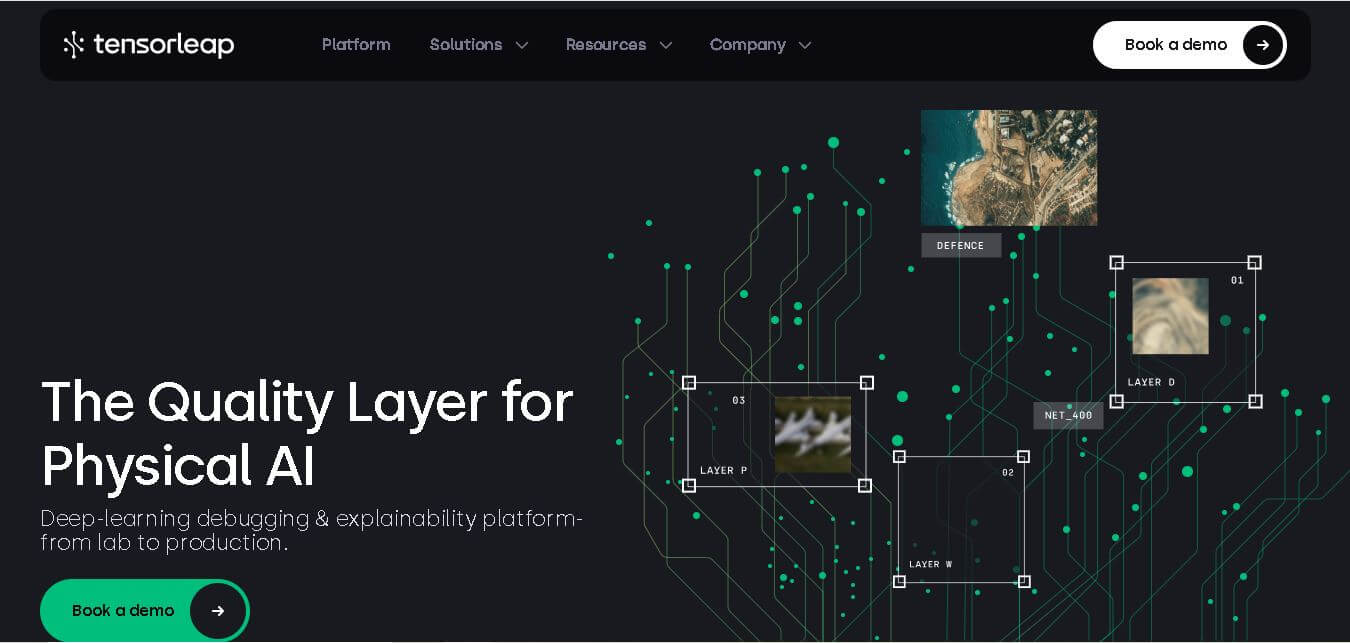
Tensorleap is an AI-powered deep learning debugging and explainability platform that helps data science teams analyze, optimize, validate, and improve neural network performance through advanced model insights.
Useful details for evaluating TensorLeap
Primary Category
AI-Detection
Pricing Model
Freemium
Related Topics
ai detection
Last Updated
Jul 16, 2026
What is TensorLeap AI?
Tensorleap is an AI-powered AI detection platform designed to help AI teams see why neural networks decide things the way they do. Rather than just treating machine learning models like black boxes, Tensorleap gives more detailed looks into data quality, feature importance, model behavior, and even prediction errors. This means developers can spot weak points faster, optimize datasets, increase model accuracy, and generally cut down on development time. Plus, it comes with visualization, validation, and monitoring features, so deploying dependable AI systems feels a lot less messy across healthcare, manufacturing, autonomous vehicles, robotics, agriculture, and defense, while still backing scalable enterprise AI development.
Tensorleap was founded in 2020 and has raised approximately 5.2 million US dollars in seed funding. The platform serves enterprise AI teams by providing explainability, debugging, dataset analysis, and production monitoring for deep learning models. Its solution supports multiple industries, including healthcare, robotics, semiconductors, autonomous vehicles, agriculture, and defense. Tensorleap focuses on reducing model failures while improving transparency, optimization, and deployment efficiency throughout the machine learning lifecycle.

- Founder Name: Tensorleap Team
- Launch Date: 2020
Use Cases
- Deep learning model debugging
- Explainable AI analysis
- Neural network optimization
- Dataset quality evaluation
- Active learning workflows
- Production AI monitoring
- Model validation before deployment
- AI failure root cause analysis
- Computer vision optimization
- Enterprise AI governance
Technology
- Artificial Intelligence
- Deep Learning
- Explainable AI (XAI)
- Machine Learning
- Neural Networks
- Computer Vision
- Data Analytics
- Model Monitoring
- Data Visualization
- AI Model Validation
Key Features
Tensorleap AI's key features are
- Deep Learning Explainability: Understand how neural networks make predictions through concept-level analysis.
- AI Model Debugging: Detect hidden errors, bottlenecks, and performance issues before deployment.
- Dataset Quality Analysis: Identify mislabeled, missing, or low-quality training data.
- Model Validation: Evaluate AI model behavior using advanced explainability metrics.
- Production Monitoring: Continuously monitor deployed AI models to ensure their accuracy and reliability.
- Active Learning Support: Improve datasets by identifying the most valuable training samples.
- Root Cause Analysis: Discover why predictions fail and resolve issues quickly.
- Visual Analytics Dashboard: Interactive dashboards simplify the evaluation of AI performance.
- Enterprise Collaboration: Enables data scientists and ML engineers to work together more efficiently.
- Scalable AI Platform: Supports enterprise-grade AI development across industries.
Pricing
- Custom enterprise pricing
- Demo available
- Contact sales for quotation
- Pricing depends on organization size and deployment requirements
- Enterprise support included with commercial plans
Disclaimer: For the latest and most accurate pricing information, please visit the official Tensorleap AI website.
Who is Using it?
A diverse range of users and organizations utilize Tensorleap AI
- Enterprise AI teams
- Machine learning engineers
- Data scientists
- AI research organizations
- Healthcare AI companies
- Robotics companies
- Semiconductor manufacturers
- Autonomous vehicle developers
- Agricultural AI companies
- Defense technology organizations
Alternatives
Some Tensorleap AI alternatives are
- Arize AI
- Fiddler AI
- WhyLabs
- TruEra
- Arthur AI
- Weights and Biases
- Evidently AI
- Galileo AI
Tensorleap Comparison with Competitors
| Feature | Tensorleap | Arize AI | Fiddler AI | WhyLabs |
|---|---|---|---|---|
| Primary Focus | Deep learning debugging | Model monitoring | Explainable AI | ML observability |
| Explainable AI | Advanced | Moderate | Advanced | Moderate |
| Dataset Analysis | Yes | Limited | Yes | Yes |
| Neural Network Debugging | Excellent | Basic | Moderate | Limited |
| Production Monitoring | Yes | Yes | Yes | Yes |
| Enterprise Deployment | Yes | Yes | Yes | Yes |
| Computer Vision Support | Strong | Moderate | Moderate | Moderate |
| Root Cause Analysis | Advanced | Moderate | Good | Good |
| Active Learning | Yes | No | Limited | No |
| Best For | Deep learning optimization | AI monitoring | Responsible AI | ML observability |
How Did We Rate Tensorleap?
- Creative Accuracy: 9.4 out of 10
- User Experience: 9.1 out of 10
- Tools & Capabilities: 9.6 out of 10
- Speed & Efficiency: 9.2 out of 10
- Creative Freedom: 8.9 out of 10
- Trust & Transparency: 9.5 out of 10
- Help & Community: 8.8 out of 10
- Value for Money: 8.9 out of 10
- Ecosystem Fit: 9.3 out of 10
- Overall Score: 9.2 out of 10
Conclusion
Tensorleap is a powerful AI platform designed for organizations that need transparency, explainability, and optimization across deep learning workflows. It’s got advanced debugging features that let data scientists understand how the model behaves, spot hidden issues, and raise prediction accuracy with real confidence. The platform covers the entire AI lifecycle, from dataset validation through production monitoring, so it’s useful for enterprise machine learning projects. Whether you’re building computer vision systems, healthcare AI, robotics, or industrial applications, Tensorleap delivers practical insights that cut down development time and strengthen model reliability. Overall, it’s a solid option for enterprises trying to create trustworthy and scalable artificial intelligence systems, though maybe you’ll notice the results feel more “clear” than typical tools.
People are also reading
FAQ
What is Tensorleap?
Tensorleap is an AI-powered deep learning explainability and debugging platform for analyzing and optimizing neural networks.
Who should use Tensorleap?
Data scientists, ML engineers, AI researchers, and enterprise AI teams.
Does Tensorleap support Explainable AI?
Yes, it provides advanced explainability tools for understanding model decisions.
Can Tensorleap monitor production AI models?
Yes, it includes production monitoring and validation capabilities.
Which industries use Tensorleap?
Healthcare, robotics, manufacturing, autonomous vehicles, semiconductors, agriculture, and defense.
User Reviews
No reviews yet for TensorLeap.
Featured Tools
Featured AI tools from TechShark

Fashion Diffusion AI
Fashion Diffusion is an AI-powered fashion design platform that helps brands and designers create clothing designs, virtual try-ons, AI models, product photos, and marketing visuals faster and cost-effectively.
Paid
Veo 4
Veo 4 AI is an AI video creation platform that generates dramatic videos from text, images, audio, and video prompts using realistic motion and synchronized sound.
Paid
Happy Horse
HappyHorse AI is an AI-powered video generator that creates cinematic videos with synchronized audio from text, images, and prompts instantly.
Paid
Seedance 2
Seedance 2.0 is an AI-powered video generation platform that transforms text, images, audio, and video into cinematic, multi-shot content with advanced motion control, reference-based consistency, and synchronized sound production.
Freemium
Alternatives
Alternatives to TensorLeap
Tensorleap AI alternatives include Verisl, Cytora, Shift Technology, Socotra, Earnix, and Guidewire. Tensorleap is an AI-powered platform designed for deep learning explainability, debugging, and optimization. It enables AI engineers to understand model behavior, identify hidden issues, improve data quality, and accelerate machine learning development with advanced visualization, validation, and production monitoring capabilities.
 4.8
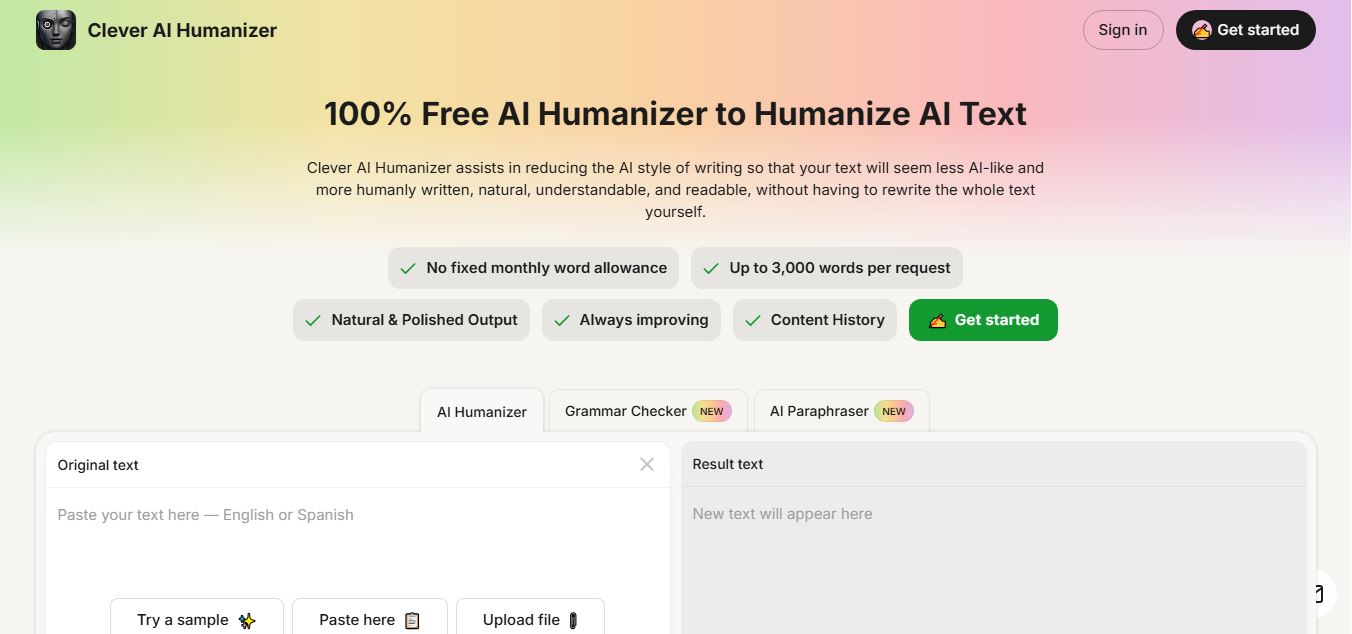
4.8Clever AI Humanizer
AI-Detection
Clever Humanizer AI helps transform AI-generated text into natural, human-like writing with advanced rewriting technology, making content more readable and engaging.
 4.5
4.5VineSight
AI-Detection
Vinesight is an AI-powered narrative intelligence platform that detects disinformation, monitors online threats, and helps organizations protect brand reputation through real-time alerts, analysis, and response recommendations.
 4.5
4.5Adversa
AI-Detection
Adversa AI is an AI-powered cybersecurity platform that helps organizations identify, test, and mitigate AI security risks through continuous red teaming, threat modeling, and AI vulnerability assessments.
 4.7
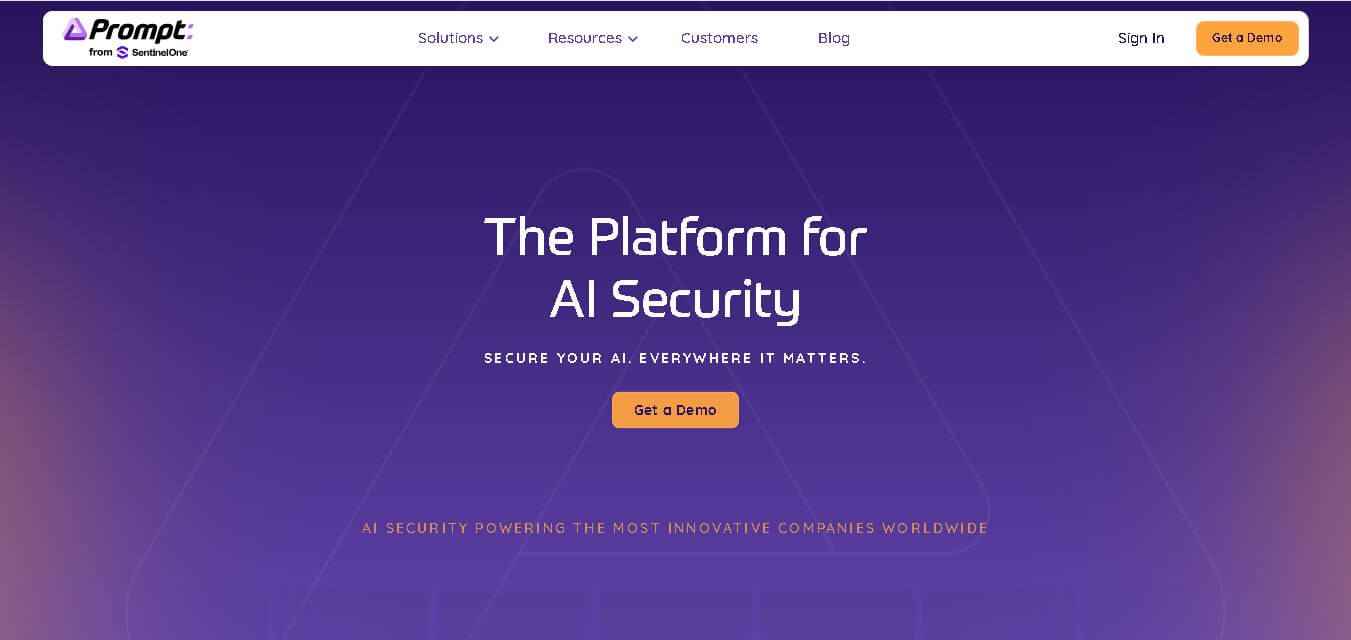
4.7Prompt Security
AI-Detection
Prompt Security is an AI-powered enterprise security platform that protects generative AI applications, employees, and sensitive data from prompt injection, data leaks, shadow AI, jailbreaks, and AI cybersecurity threats.
 4.5
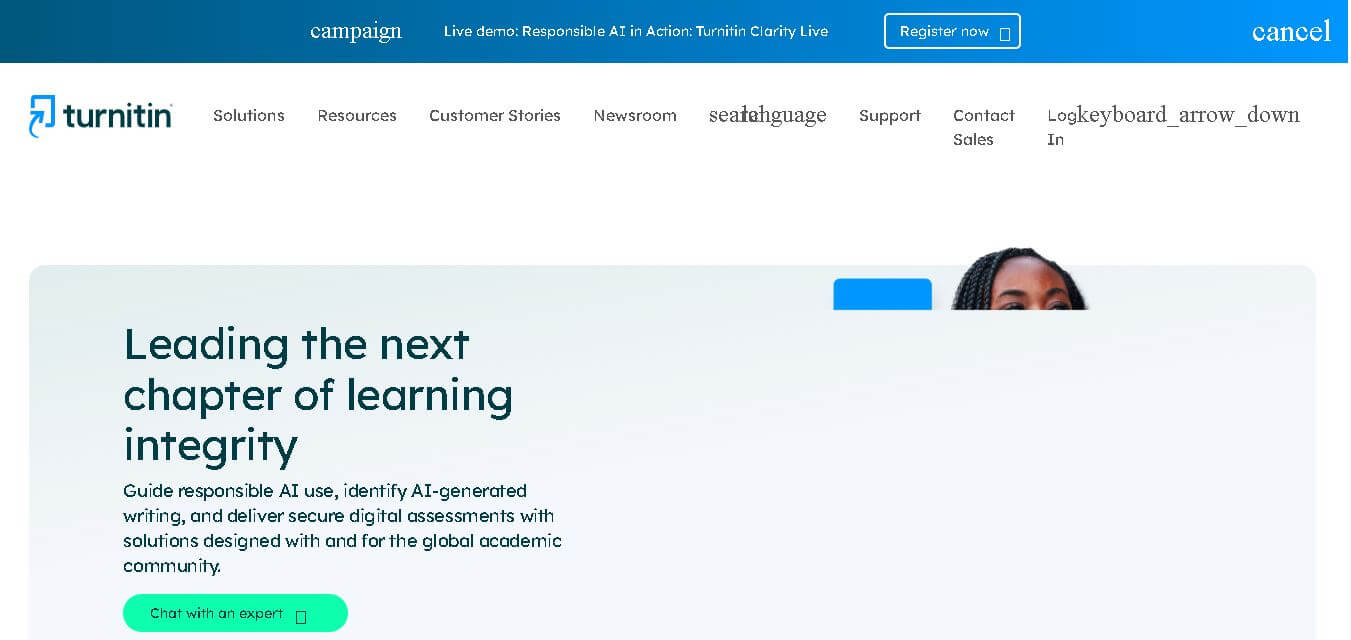
4.5Turnitin
Research
Turnitin is an AI-powered academic integrity platform that detects plagiarism, checks content originality, analyzes AI-generated writing, and helps educational institutions maintain trust through advanced similarity detection technology.
 4.4
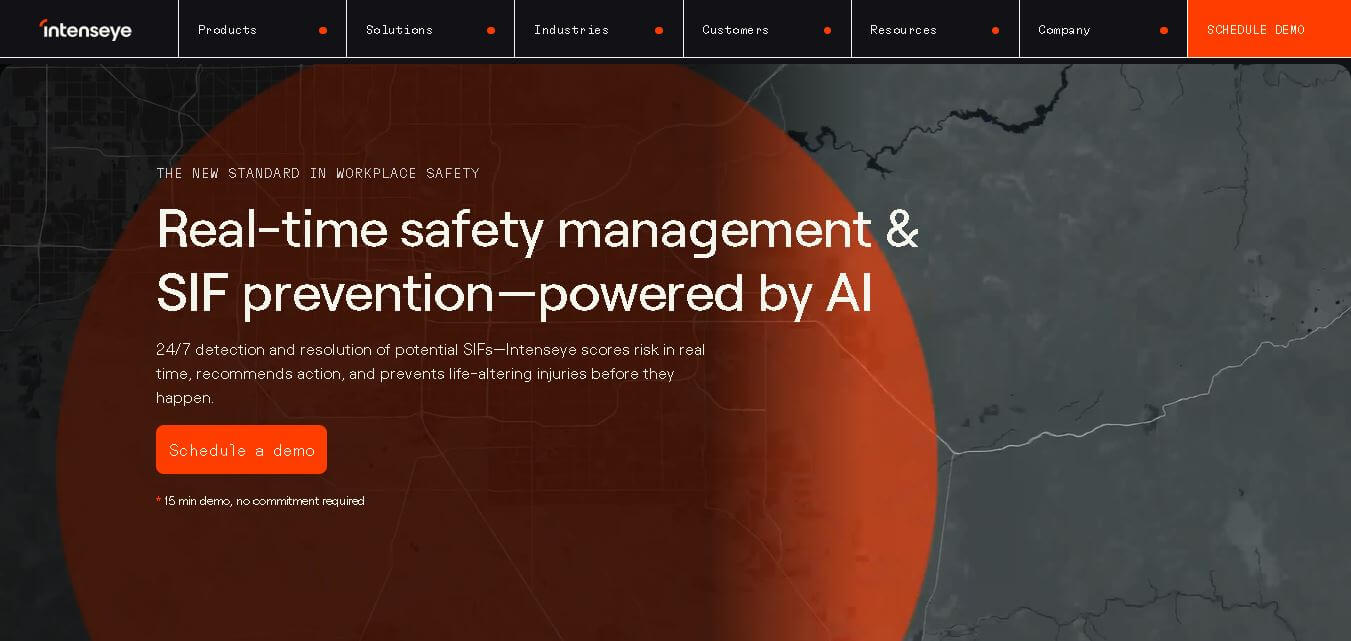
4.4Intenseye
AI-Detection
Intenseye is an AI-powered workplace safety platform that uses computer vision to detect hazards, monitor compliance, prevent incidents, and help organizations create safer work environments through real-time insights.
 4.4
4.4Clarity
AI-Detection
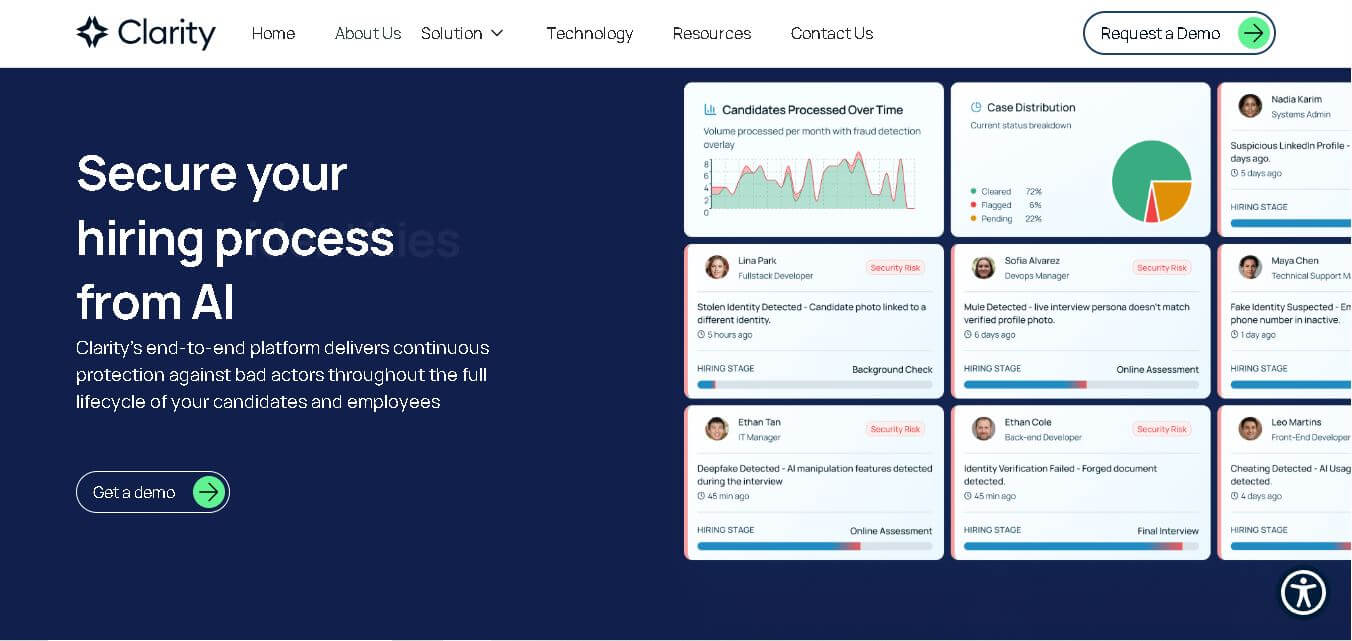
Clarity AI is an AI-powered sustainability intelligence platform that helps investors, organizations, and financial institutions measure ESG performance, assess risks, and make data-driven sustainability decisions with confidence.
 4.5
4.5Roboflow
AI-Detection
Roboflow is an AI-powered computer vision platform that helps developers collect, annotate, train, deploy, and manage machine learning models for image and video analysis applications efficiently.
 4.5
4.5HiddenLayer
AI-Detection
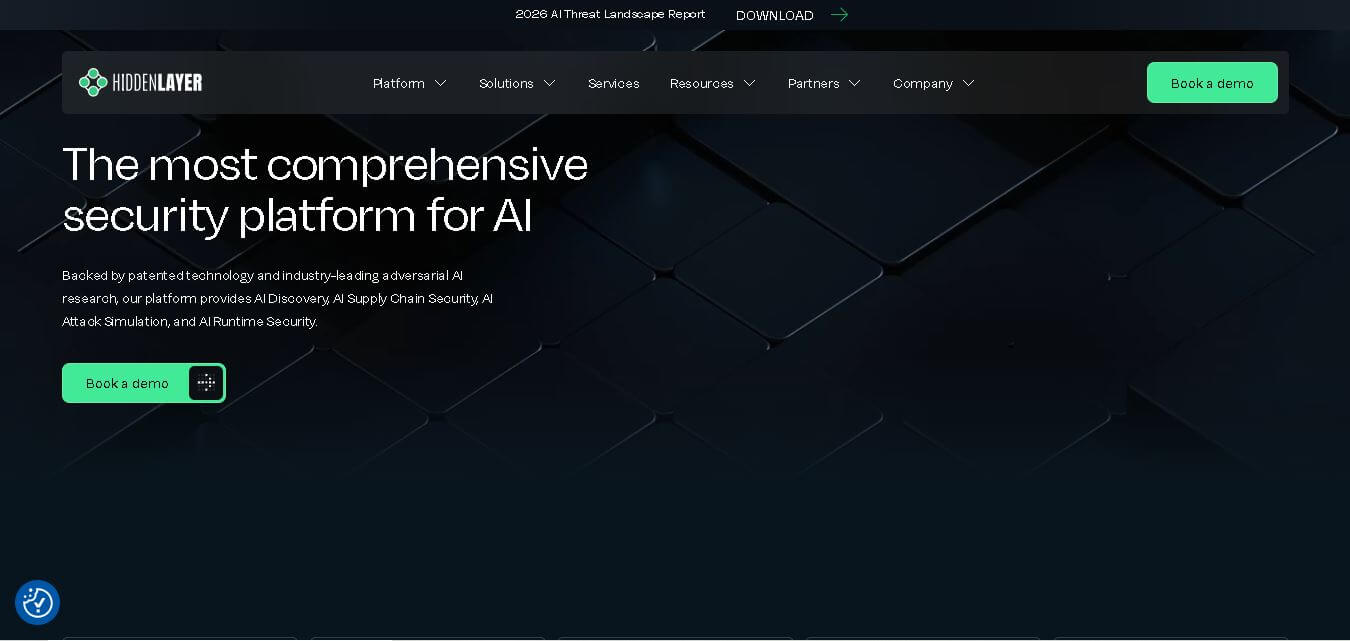
HiddenLayer is an AI-powered cybersecurity platform that protects machine learning models, generative AI applications, and AI supply chains from adversarial attacks, model theft, prompt injection, and security vulnerabilities.